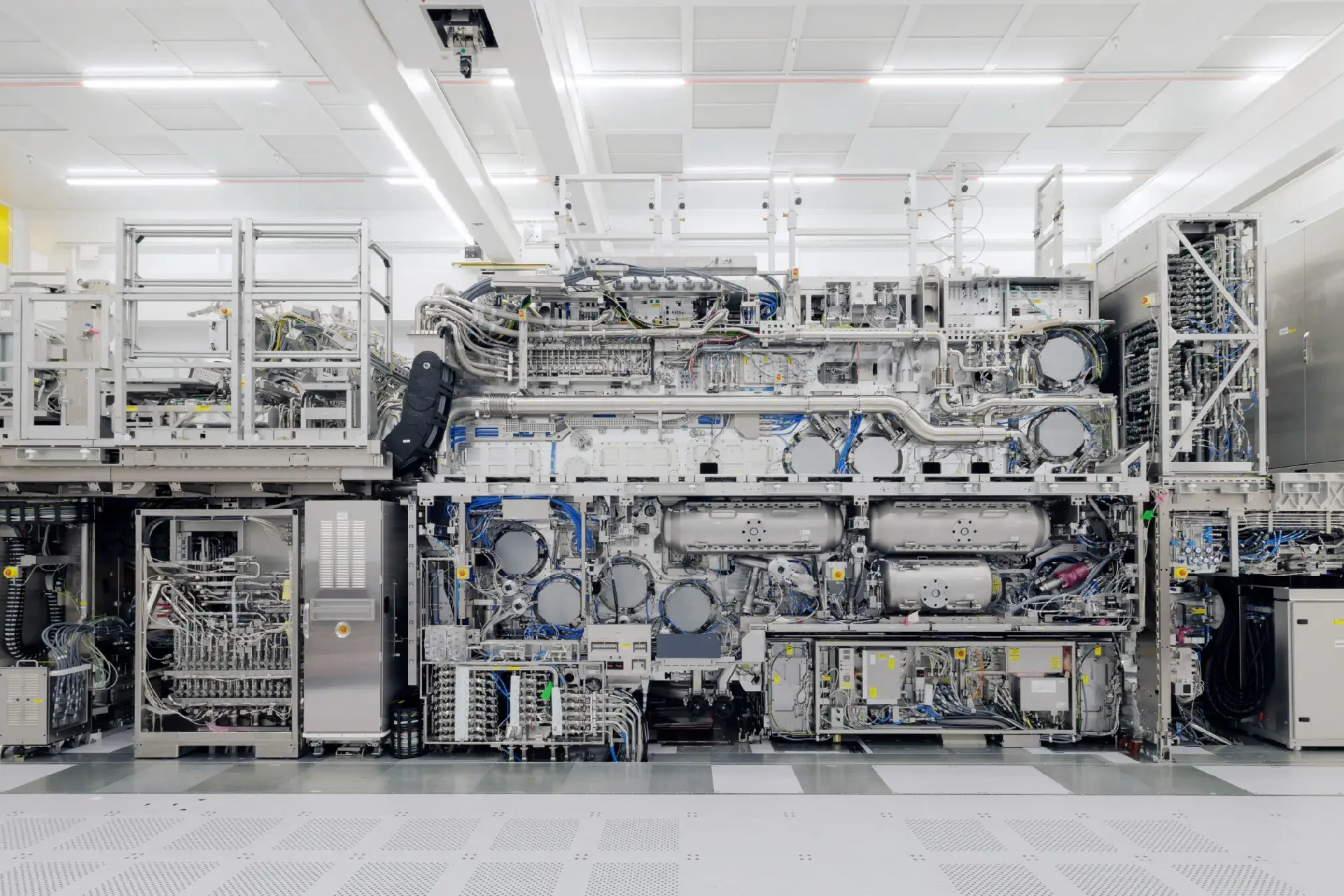
An ASML executive said the Dutch chipmaking equipment giant sold nothing in Europe during the first half of 2026, calling on the European Union to adopt policies that create real demand for chips manufactured using European technology.
Key Facts
- Remarks made by ASML executive Frank Heemskerk on September 24
- Europe accounted for 0% of ASML’s revenue in the first half of 2026
- Heemskerk called for EU policy support to generate demand for European-made chips
- The statement refers specifically to ASML’s European revenue share, not zero machines sold worldwide
- Confirmed by two independent outlets covering the same remarks
What Was Said
Speaking publicly on September 24, ASML executive Frank Heemskerk said the company’s European revenue share for the first half of 2026 stood at zero, a striking figure for one of the world’s most important semiconductor equipment makers, and one headquartered in the Netherlands.
The Details
ASML builds the extreme ultraviolet (EUV) lithography machines essential to manufacturing the most advanced computer chips, and its customers are concentrated among a handful of major chip fabricators worldwide — primarily in Taiwan, South Korea and the United States. Heemskerk’s comment reflects the fact that, despite ASML’s European headquarters, virtually none of the chips made using its machines are currently manufactured in Europe itself, meaning European demand for ASML’s own equipment purchases has been essentially nonexistent this year.
It’s an important nuance, confirmed by both Tom’s Hardware and Yahoo Finance’s coverage of the same remarks: this reflects ASML’s European revenue share specifically, not a claim that ASML sold zero machines globally — the company continues to supply major fabs elsewhere. Heemskerk’s broader point was a call to action, urging EU policymakers to adopt measures that would create genuine demand for chips produced using European semiconductor technology, rather than Europe’s chip industry remaining dependent on foreign fabrication.
Why It Matters
Europe has invested heavily in chip sovereignty ambitions through initiatives like the EU Chips Act, aiming to reduce dependence on Asian and American semiconductor manufacturing. A leading European equipment maker publicly stating it sold nothing domestically in six months is a pointed illustration of how far those ambitions remain from translating into actual European fabrication demand.
What Happens Next
Heemskerk’s remarks add pressure on EU policymakers as they continue shaping chip-sector industrial policy; how the bloc responds, if at all, in the near term remains to be seen.
Sources: Tom’s Hardware, Yahoo Finance